CAMILLE PERRY
CAMILLEPERRY2@GMAIL.COM
Collective Agitation is an interdisciplinary community of artists and chemists dedicated to researching
and sharing alternative photographic techniques that prioritise ecologically sustainable considerations
and innovations.Our collective brings together individuals with diverse expertise,
allowing us to investigate the intersections of art, chemistry, and ecological relations.
Collective Agitation is driven by passionate negotiations within photographic practice
and the questions that arise from the image centrism of this current moment in time.
Collective Agitation is an interdisciplinary community of artists and chemists dedicated to researching
and sharing alternative photographic techniques that prioritise ecologically sustainable
considerations and innovations. Our collective brings together individuals with diverse expertise,
allowing us to investigate the intersections of art,
chemistry, and ecological relations.
Collective Agitation is driven by passionate negotiations
within photographic practice and the questions that
arise from the image centrism of this current moment in time.
WORKSHOPS @ KASK + CONSERVATORIUM
GHENT, BELGIUM
WORKSHOPS @ KASK + CONSERVATORIUM
GHENT, BELGIUM
WORKSHOPS @ JOYA; ARTIST IN RESIDENCE
VELEZ BLANCO, SPAIN
WORKSHOPS @ JOYA; ARTIST IN RESIDENCE
VELEZ BLANCO, SPAIN
WORKSHOP @ MUSEUM OF AUSTRALIAN PHOTOGRAPHY
MELBOURNE, AUSTRALIA
WORKSHOP @ MUSEUM OF AUSTRALIAN PHOTOGRAPHY
MELBOURNE, AUSTRALIA
UN-INSTRUCTING PHOTOGRAPHY (UP) was a week of activities by and for students,
focusing on the blind spots in higher education photography.
UP gives a voice to photography students from all over the world,
through talks, workshops, and open spaces.
The event took place at KASK & Conservatorium’s Campus Bijloke in Ghent, Belgium.After 50 years of educating photographers at KASK & Conservatorium, the floor was open
to photography students to surpass the teacher's authority
and search for fertile ground in horizontal teaching.
ln the exchanges between students lay a valuable way of instructing and learning,
an informal and secret sharing that tackles issues sometimes missing from the curricula.In response to an open call, six groups of students were invited
to initiate workshops and debates.
On the question ‘What can you bring to photography education?’,
a wide range of topics arose: the subjectivity and the playfulness of the creative process;
experimentation with alternate and ecological processes to produce photographic prints; shame;
building bridges between image-makers and their audience; the role of the photographer;
non-production and collective thinking about current debates in contemporary photography.The spring school was accompanied by a playful peripheral program with live music,
film projections, blind spot portfolio reviews,
a visual conversation with students of the University of Tehran
and a ping pong tournament, among others.
JOYA; ARTIST IN RESIDENCE
SEPTEMBER 2024
Set in the highlands of Almería, within the Comarca de Los Vélez, Joya: AiR
inhabits a landscape shaped by wind, water, and time. The valleys crack open into drylands.
This is a transitional terrain, rich with contrasts and resilience.
Ecological boundaries are visible and felt in the arid soil,
the patterns of abandonment and regrowth, the erosional signatures etched into the land.
This is a semi-arid ecotone where biodiversity
and geological memory intersect, offering a raw and urgent context for creative exploration.
During the course of this residency I was able to create an archive of plant-based film developers
from flora within the local ecologies of Almería. I was thinking a lot about time and whether
I wanted to mark its passage or just acknowledge it.
I was wondering whether time needed to be perceived
or if it just enjoyed the act of doing and undoing without the recognition.
Time has a lot of conversations in the dark.
I Thought about the art of forgetting, and Tehching hsieh
saying ‘A little bit of failure is good for the system’.
It’s funny that you can still feel time even when you can’t always recall it.
During the end of my stay I was fortunate enough to share DIY workshops with participating artists.
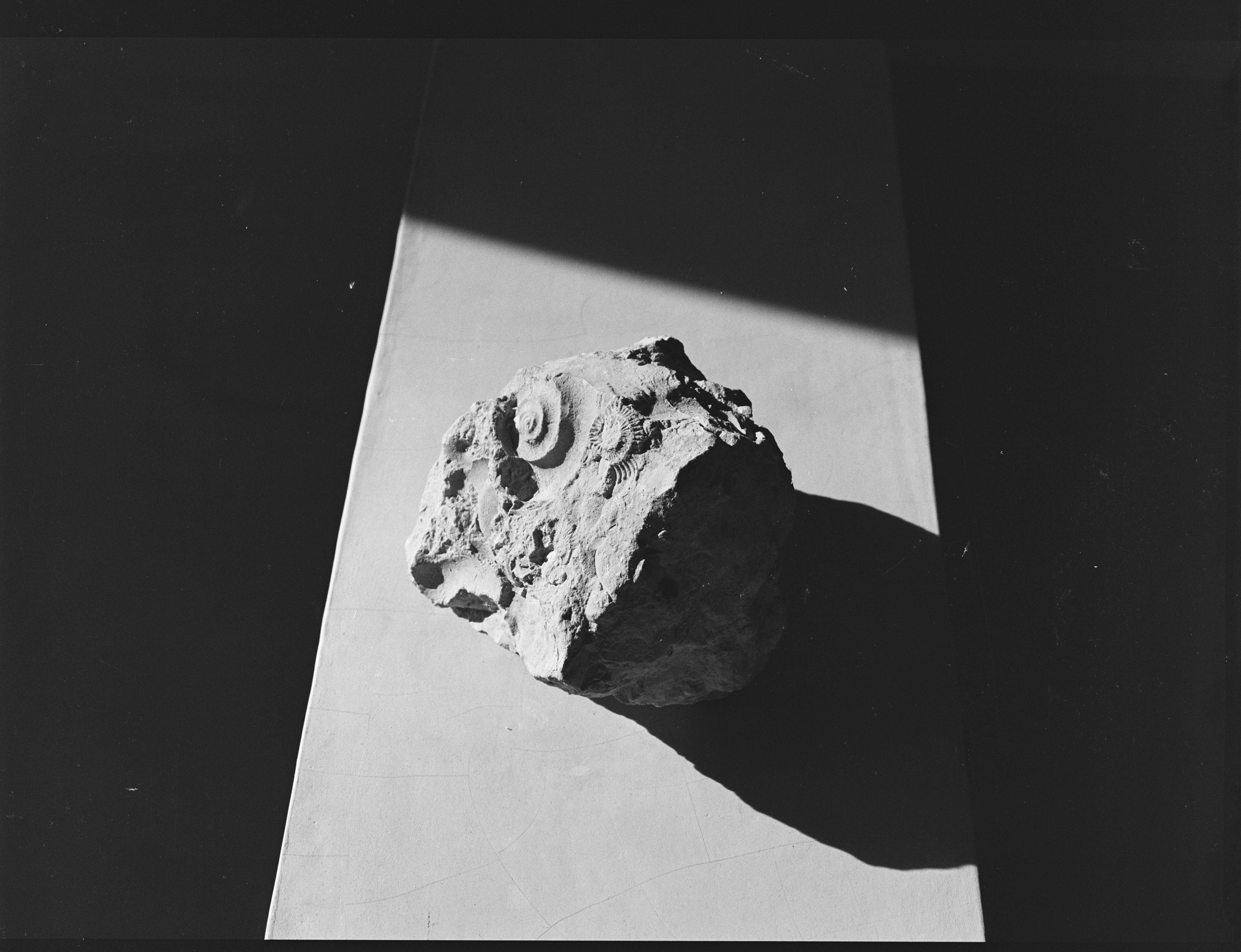
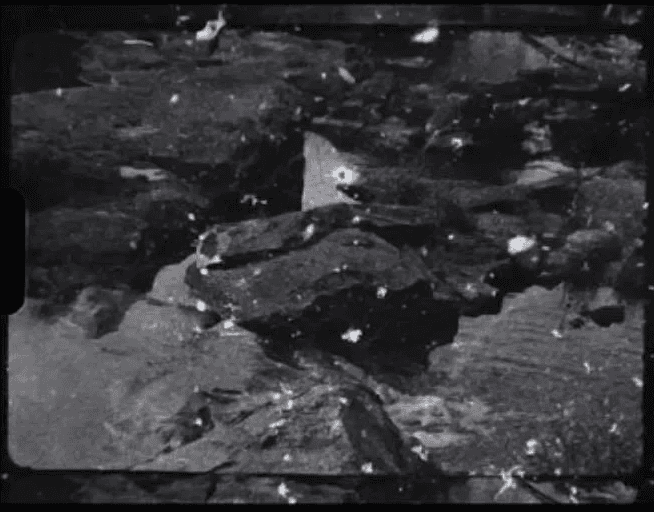
These images were developed on Expired Agfa film and with foraged rosemary, 2024.
JOYA; ARTIST IN RESIDENCE
SEPTEMBER 2024
Set in the highlands of Almería, within the Comarca de Los Vélez, Joya: AiR
inhabits a landscape shaped by wind, water, and time. The valleys crack open into drylands.
This is a transitional terrain:rich with contrasts and resilience.
Here, ecological boundaries are visible and felt — in the arid breath of the soil,
the patterns of abandonment and regrowth, the erosional signatures etched into the land.
Yet this is not a desert. It is a semi-arid ecotone where biodiversity and
geological memory intersect, offering an urgent context for creative exploration.
During the course of this residency I was able to create an archive of plant-based film developers
from flora within the local ecologies of Almería. I was thinking a lot about time and whether
I wanted to mark its passage or just acknowledge it.
I was wondering whether time needed to be perceived
or if it just enjoyed the act of doing and undoing without the recognition.
Time has a lot of conversations in the dark.
I Thought about the art of forgetting,
and Tehching hsieh saying ‘A little bit of failure is good for the system’.
It’s funny that you can still feel time even when you can’t always recall it.
During the end of my stay I was fortunate enough to share DIY workshops with participating artists.
These images were developed on Expired Agfa film and with foraged rosemary, 2024.
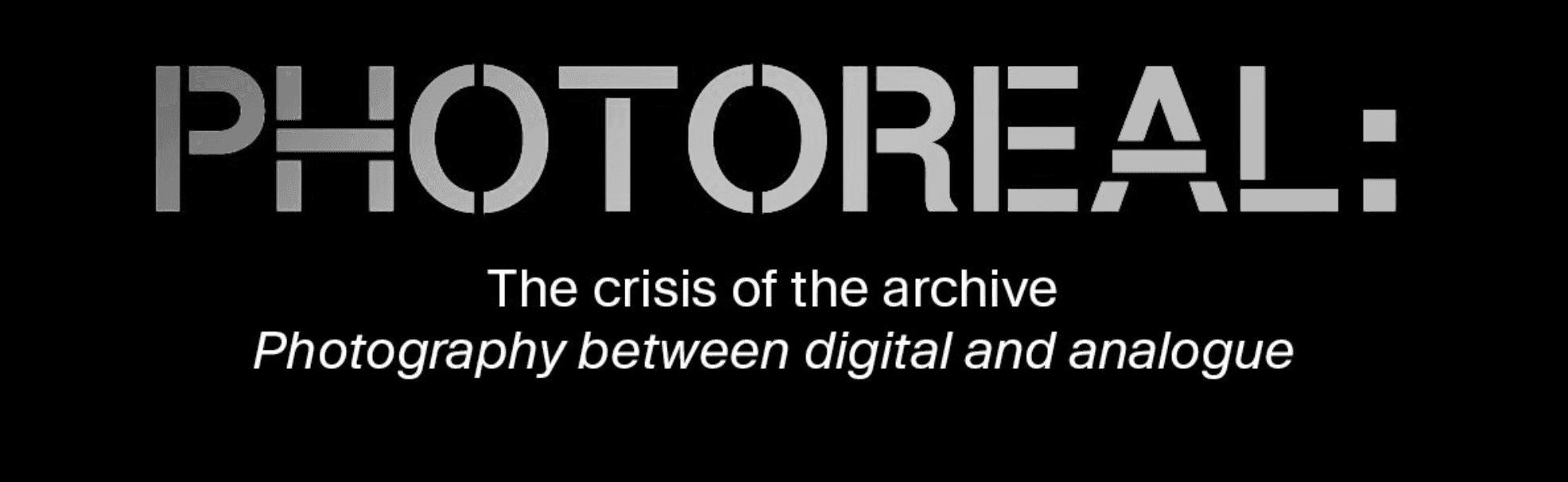
MAPh's annual photography symposium,
PHOTOREAL: The crisis of the archive | Photography between analogue and digital,
in collaboration with Australian National University (ANU).
This symposium explored the tensions, intersections and evolving responsibilities of photographic archives
in the digital age. As museums, artists and institutions grapple with questions of preservation,
access, authorship and obsolescence, this symposium creates a dialogue between archivists,
photographers, curators, scholars and the public.
This symposium considered institutional responsibility,
cultural memory and the future of photography.
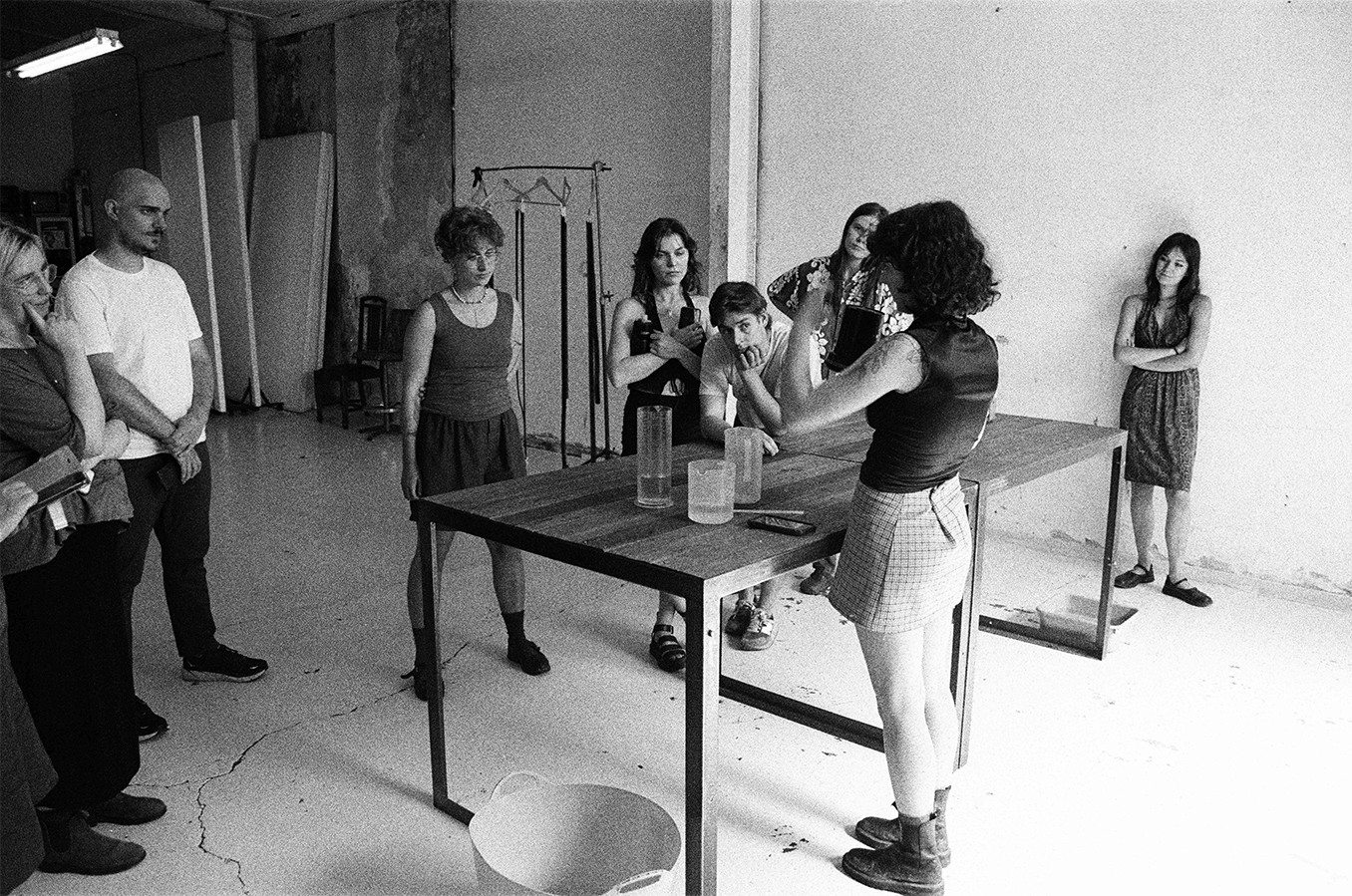
During this workshop I demonstrated how to develop FP4+ film with forageable invasive weeds.
MAPh's annual photography symposium,
PHOTOREAL: The crisis of the archive | Photography between analogue and digital,
in collaboration with Australian National University (ANU).
This symposium explored the tensions, intersections and evolving responsibilities of photographic archives
in the digital age. As museums, artists and institutions grapple with questions of preservation,
access, authorship and obsolescence, this symposium creates a dialogue between archivists,
photographers, curators, scholars and the public.
This symposium considered institutional responsibility,
cultural memory and the future of photography.
During this workshop I demonstrated how to develop FP4+ film with forageable invasive weeds.
CAMILLE PERRY
CAMILLEPERRY2@GMAIL.COM
UN-INSTRUCTING PHOTOGRAPHY (UP) was a week of activities by and for students,
focusing on the blind spots in higher education photography.
UP gives a voice to photography students from all over the world,
through talks, workshops, and open spaces.
The event took place at KASK & Conservatorium’s Campus Bijloke in Ghent, Belgium.After 50 years of educating photographers at KASK & Conservatorium, the floor was open
to photography students to surpass the teacher's authority
and search for fertile ground in horizontal teaching.
ln the exchanges between students lay a valuable way of instructing and learning,
an informal and secret sharing that tackles issues sometimes missing from the curricula.In response to an open call, six groups of students were invited
to initiate workshops and debates.
On the question ‘What can you bring to photography education?’,
a wide range of topics arose: the subjectivity and the playfulness of the creative process;
experimentation with alternate and ecological processes to produce photographic prints; shame;
building bridges between image-makers and their audience; the role of the photographer;
non-production and collective thinking about current debates in contemporary photography.The spring school was accompanied by a playful peripheral program with live music,
film projections, blind spot portfolio reviews,
a visual conversation with students of the University of Tehran
and a ping pong tournament, among others.